Skip to content

From the port

Harbour Journal

Photographs taken during the work, sea stories, documents. Not a blog: an archive you can check. The name is a working title.

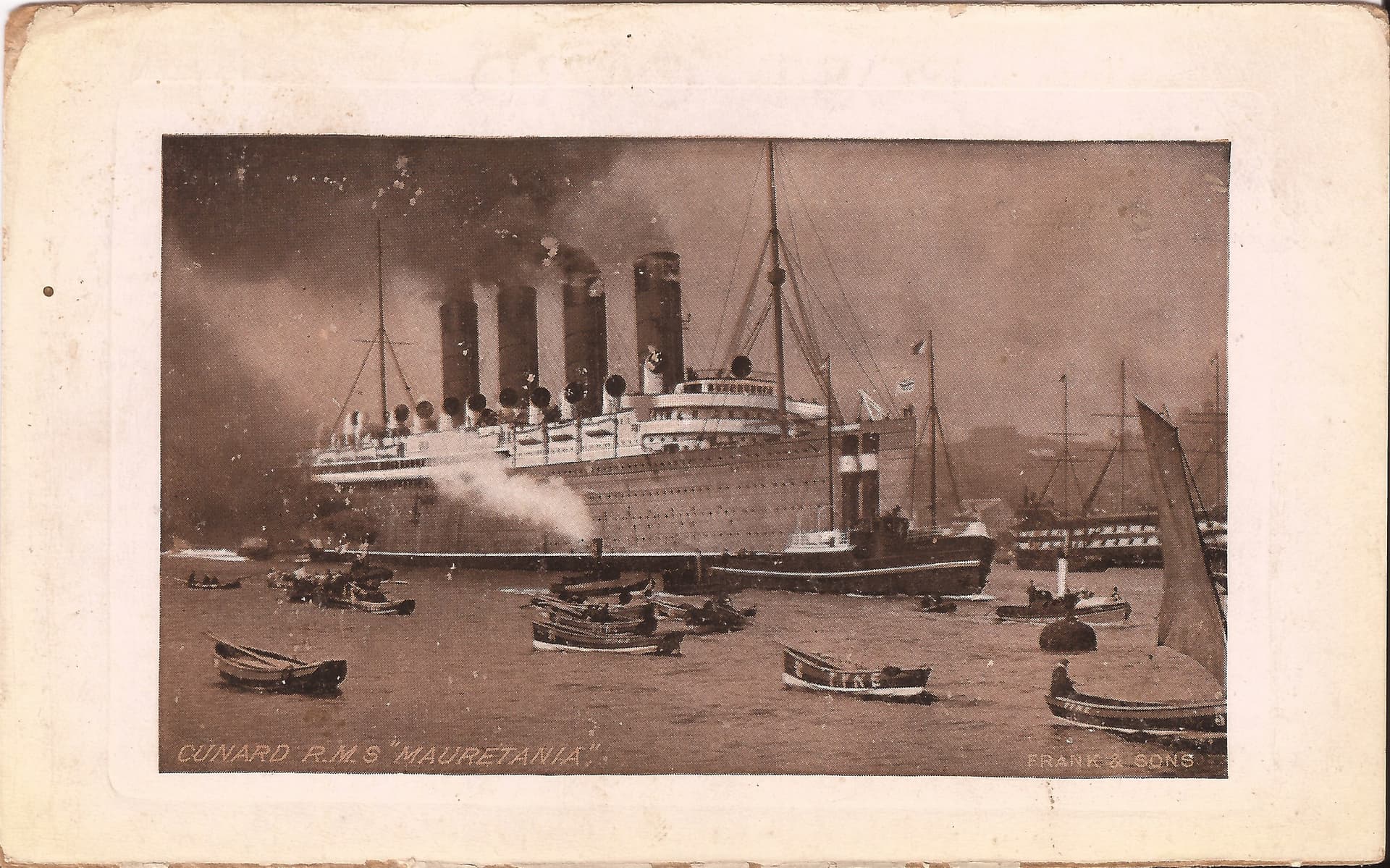
Sepia postcard, Cunard R.M.S. “Mauretania”: the four-funnelled liner in harbour, smoke from her funnels, a tug alongside and rowing boats in the foreground.

Sea stories

Mauretania, twenty years ahead

Built on the Tyne to win the Atlantic back for Britain, she held the Blue Riband for twenty years. The ship that finally took it from her is in this series too.

Mauretania Postcard, Frank & Sons c. 1907 Public domain
Read the story →

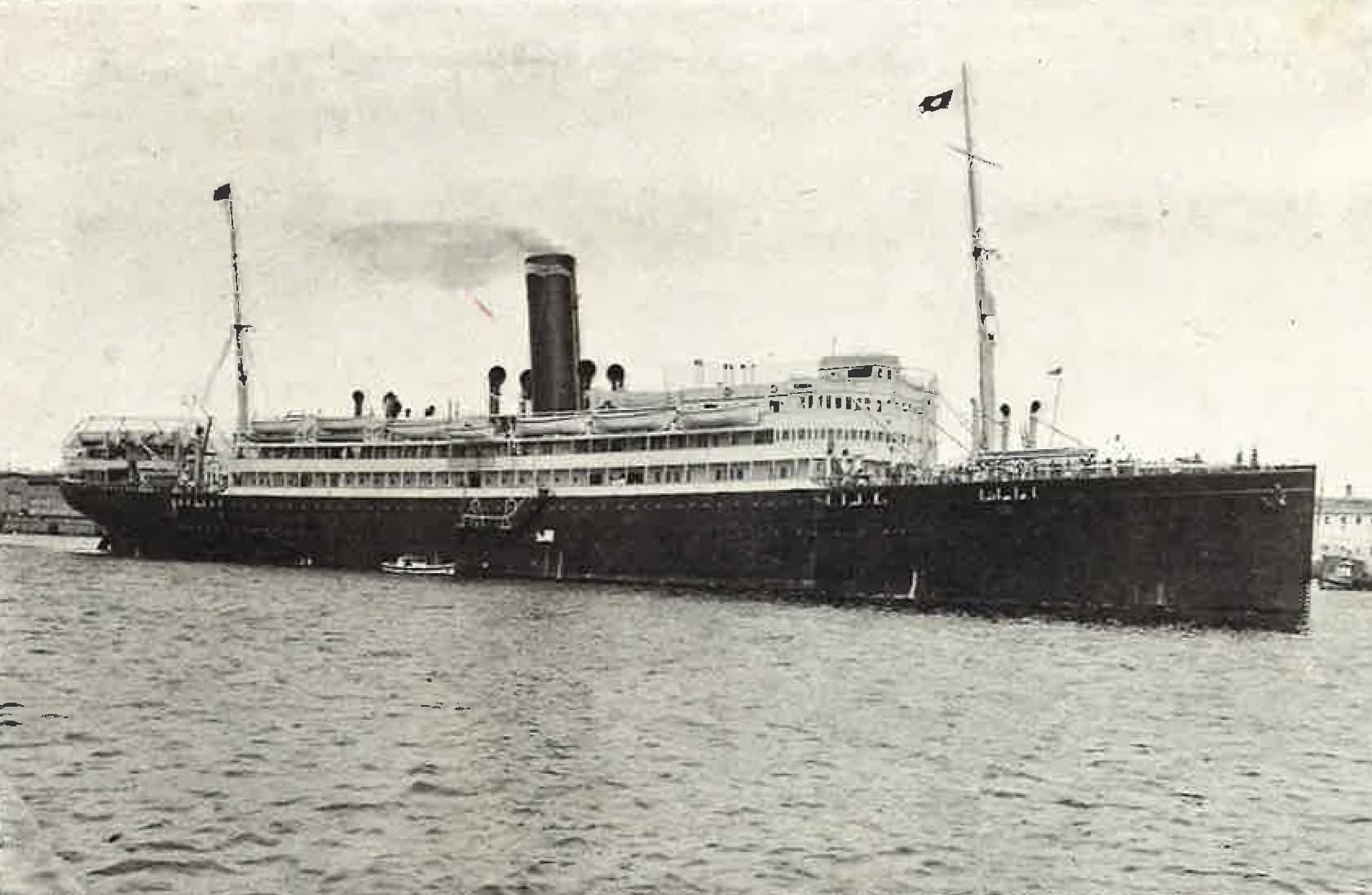
Photograph: the single-funnelled liner Reina Victoria Eugenia lying in harbour, broadside on, flags at both mastheads.

Sea stories

Reina Victoria Eugenia, the River Plate run

A Spanish mail ship built on the Tyne, with most of her berths in third class. For nearly twenty years she ran from Barcelona to Buenos Aires.

Reina Victoria Eugenia Compañía Trasatlántica Española 1914 Public domain

Read the story →

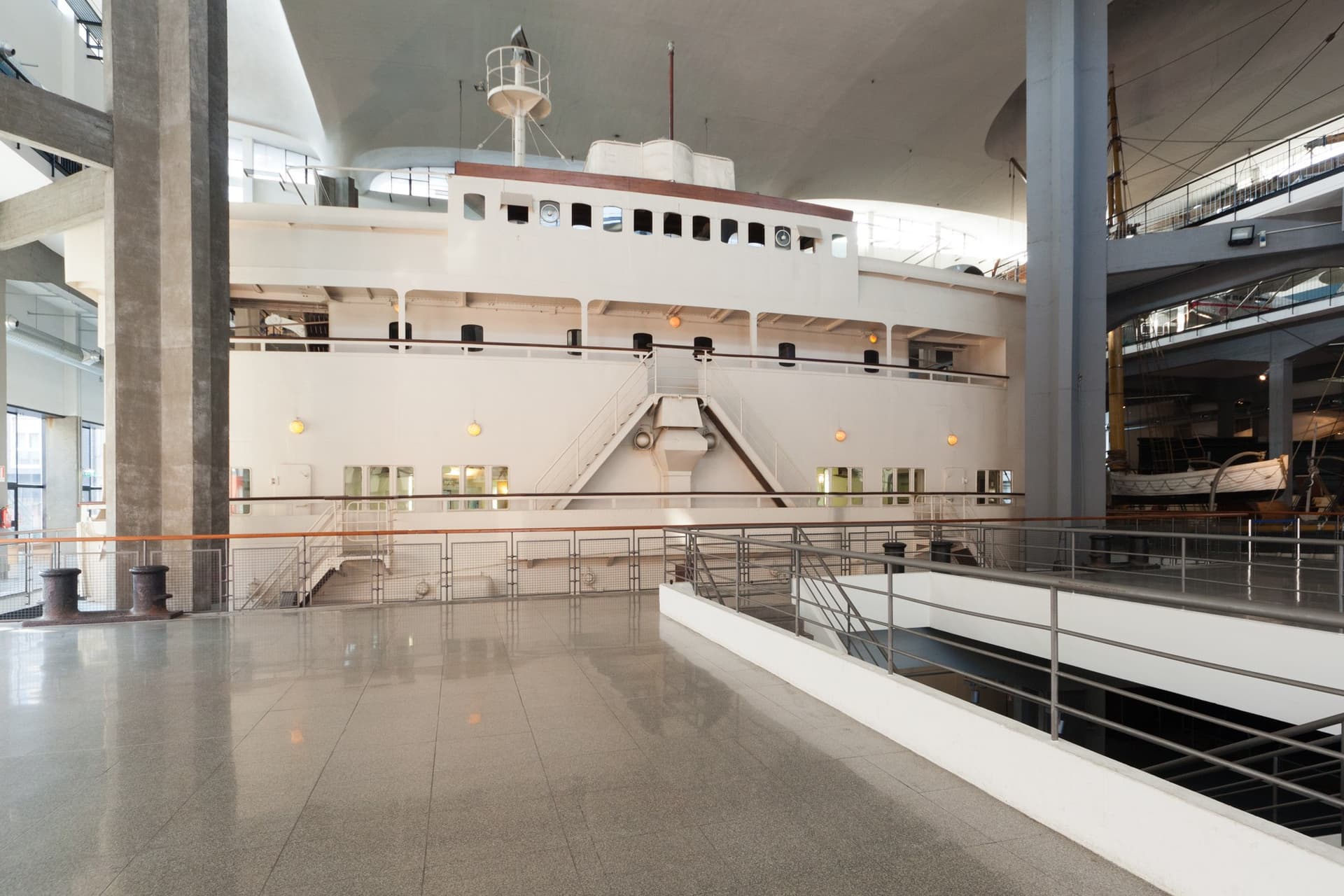
The white bridge structure of the liner Conte Biancamano, reassembled inside the air and sea pavilion of the science museum in Milan, between concrete columns, with its portholes and outside stairs.

Sea stories

Conte Biancamano, a bridge in Milan

Genoa to New York, then an American troopship, then Genoa again. Her bridge was taken off before she was broken up, and it is still standing.

Conte Biancamano The bridge, in Milan 2012 Museo Nazionale Scienza e Tecnologia Leonardo da Vinci CC BY-SA 4.0

Read the story →

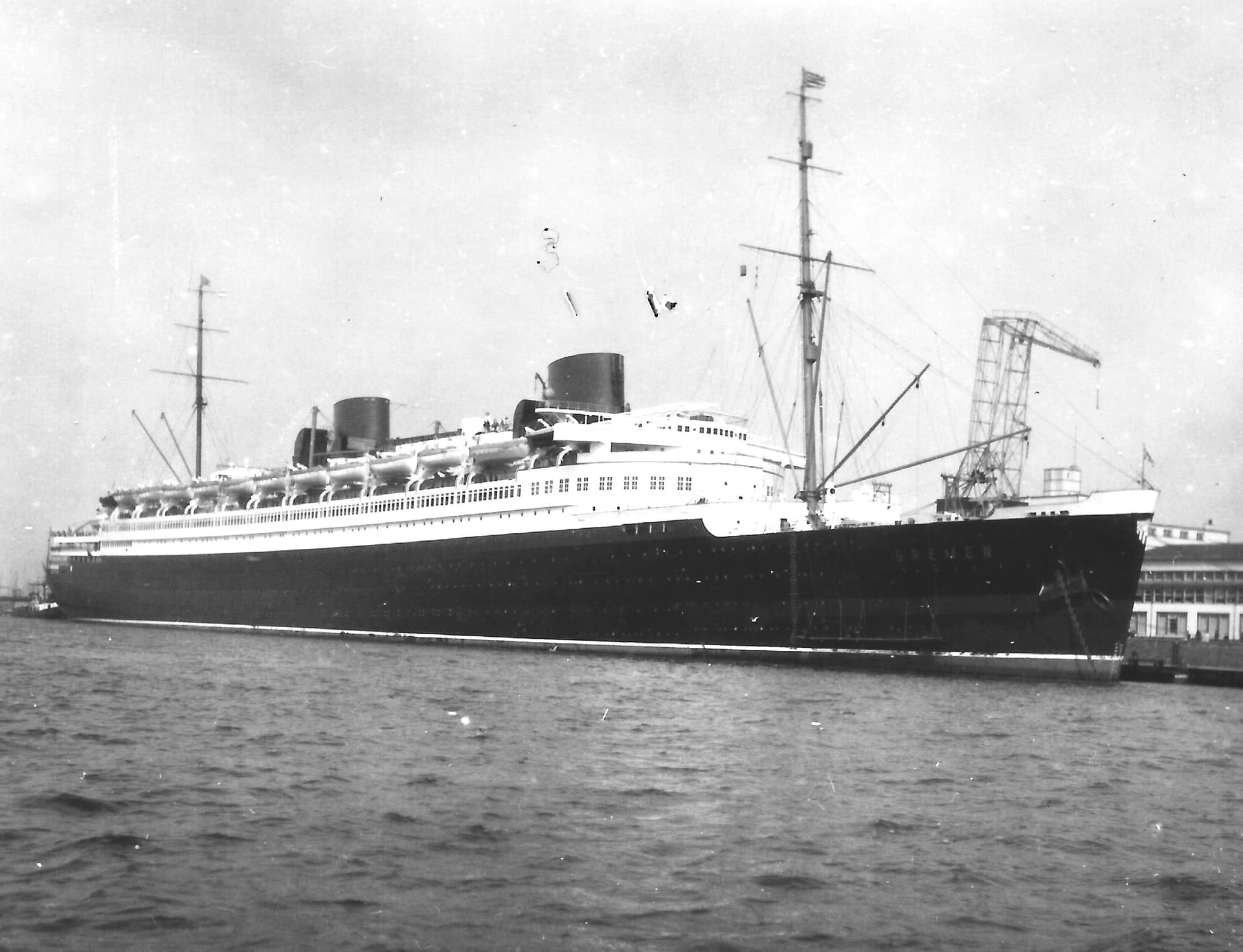
1929 photograph: the liner Bremen at the quay, three-quarters on from the bow, her name on the hull, two squat funnels, a crane and the terminal building behind.

Sea stories

Bremen, the run for Murmansk

She took the Blue Riband from Mauretania on her maiden voyage. Ten years later, painted grey, she slipped out of New York with the war two days away.

Bremen Columbuskaje, Bremerhaven 1929 Public domain

Read the story →

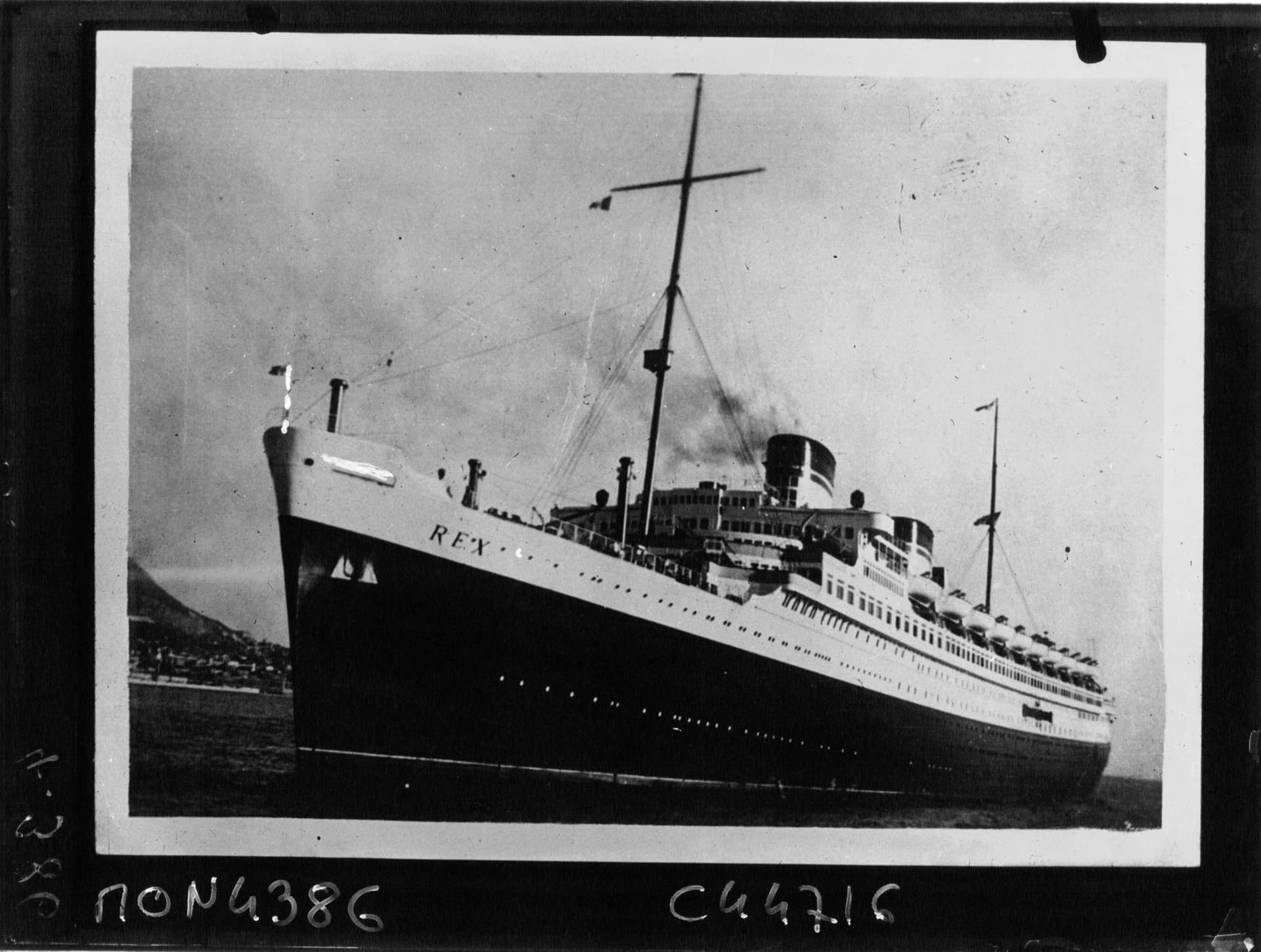
1932 photograph: the Italian liner Rex under way, seen three-quarters on, on the Genoa–New York line.

Sea stories

Rex, the only Italian Blue Riband

The only Italian ship ever to hold the Blue Riband. She took it from Bremen in August 1933 and lost it to Normandie two years later.

Rex 1932 Maiden voyage, Genoa–New York Bibliothèque nationale de France Public domain

Read the story →

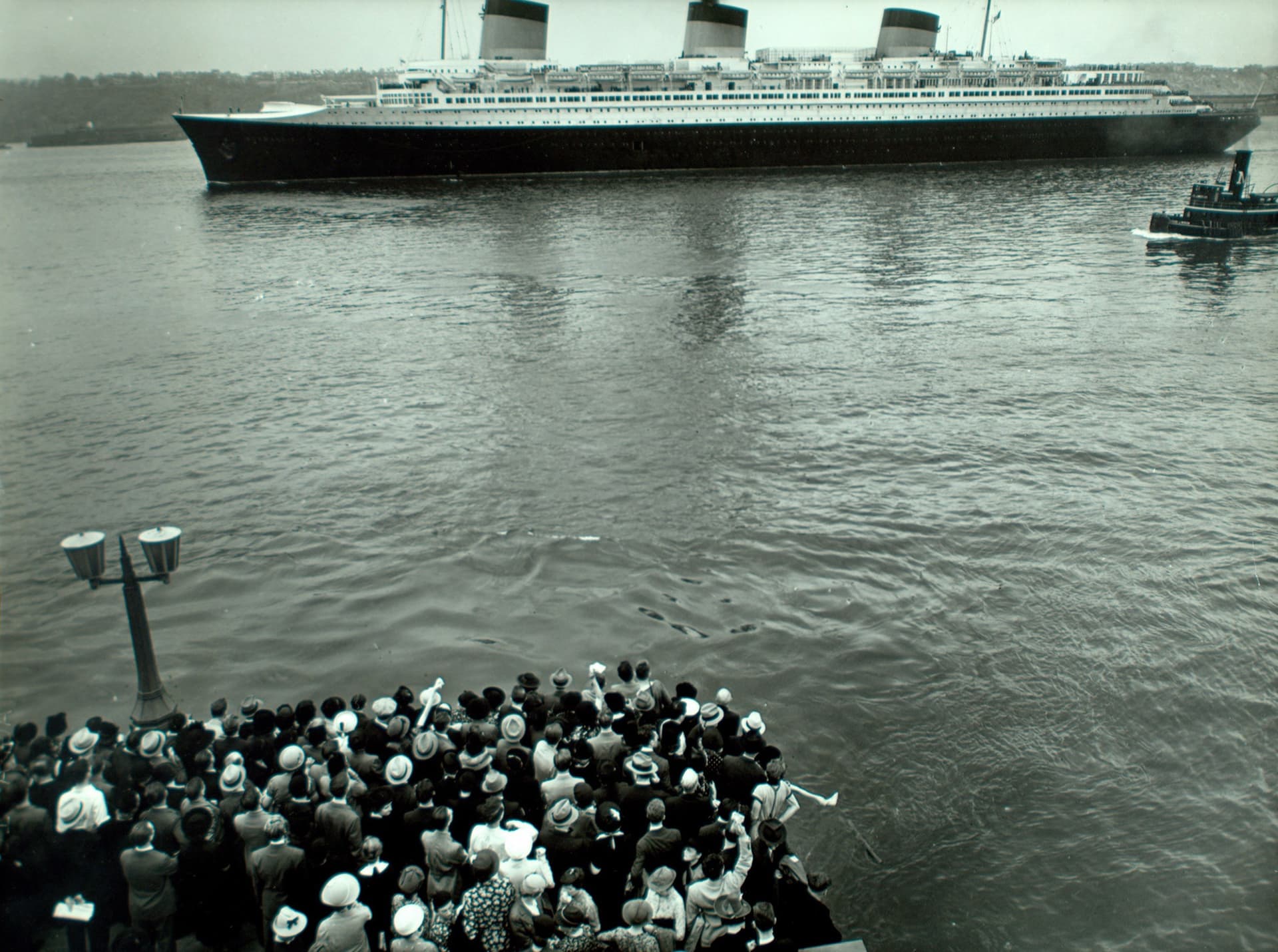
Photograph from above: a crowd in hats on the end of a pier watches the liner Normandie, three funnels, move along the river with a tug beside her; wooded cliffs on the far shore.

Sea stories

Normandie, Pier 88

The largest and fastest ship afloat when she entered service in 1935. She reached New York in August 1939 and never left.

Normandie North River, from Pier 88 14 September 1938 Berenice Abbott New York Public Library Public domain

Read the story →

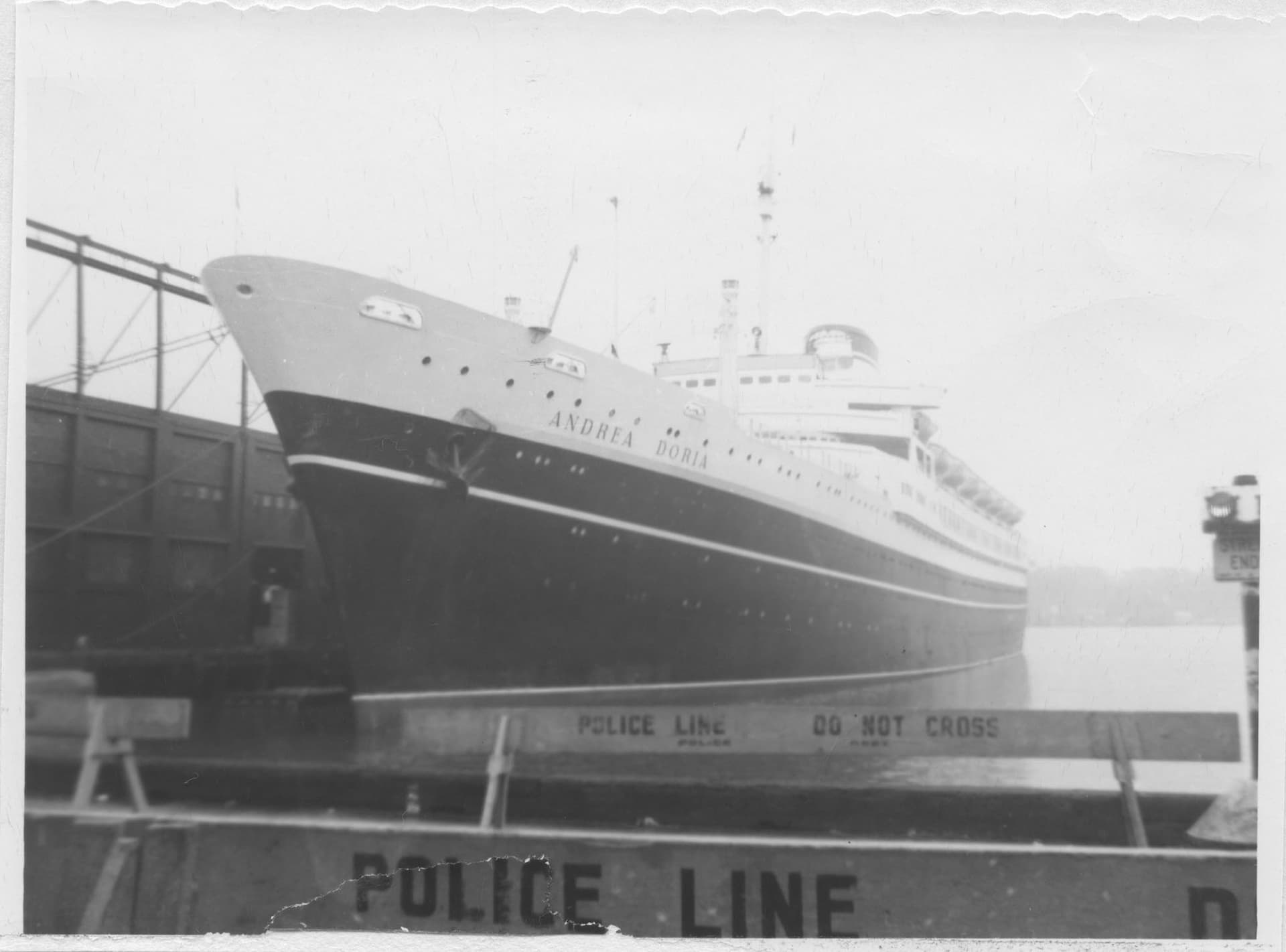
Photograph: the liner Andrea Doria alongside a pier, her name on the bow, a POLICE LINE DO NOT CROSS barrier across the quay in the foreground.

Sea stories

Andrea Doria, the rescue

Genoa's pride after the war, struck in fog off Nantucket in July 1956. She stayed afloat through the night, and that is why almost everyone aboard was saved.

Andrea Doria At the pier, c. 1956 Congregation of Sisters of St. Joseph in Canada No known copyright restrictions

Read the story →

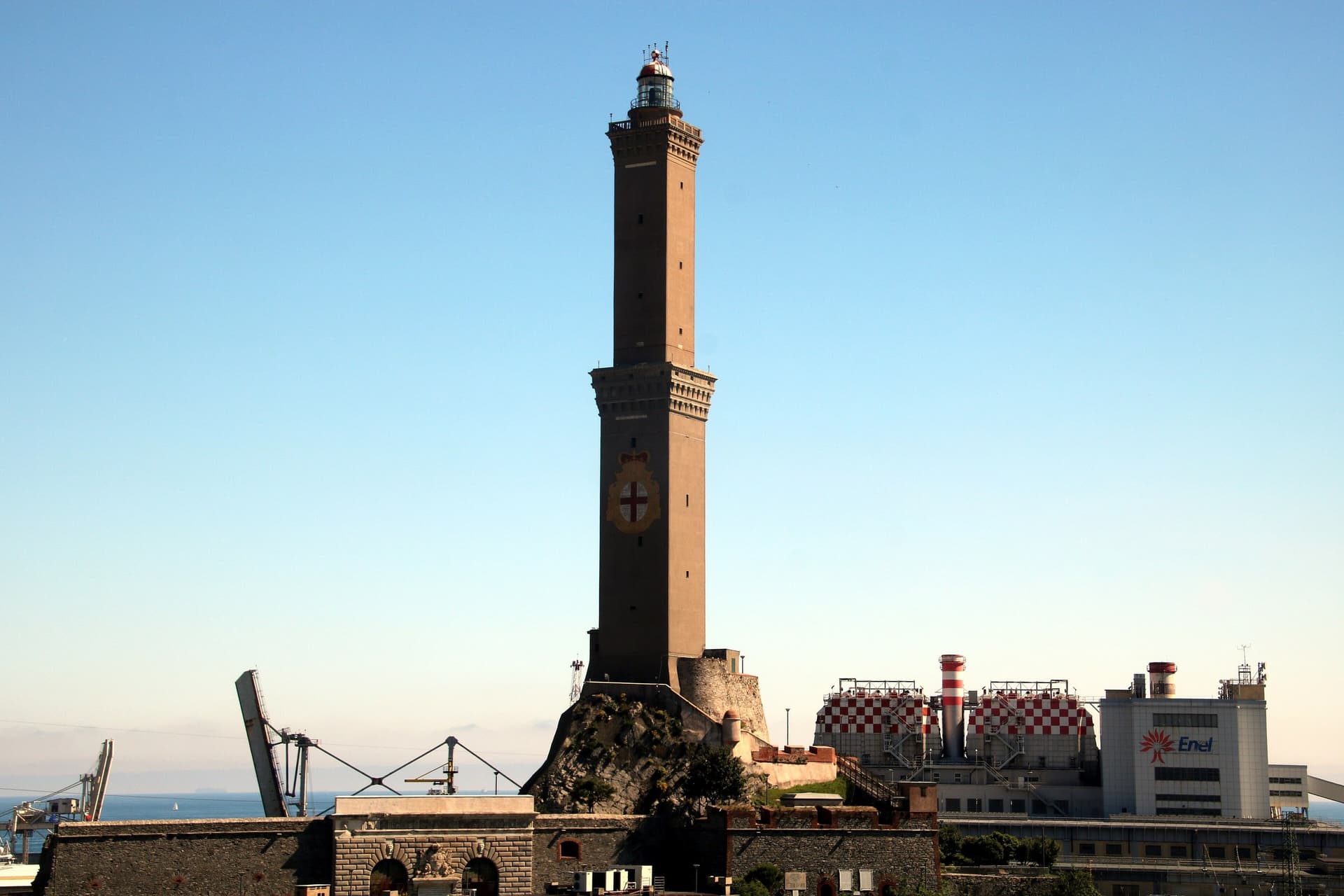
The Lanterna, Genoa's lighthouse: a tall square stone tower in two sections with the city's red cross on its face, standing on a rock above the port against a clear sky.

Sea stories

The Lanterna, Genoa's light

For close to nine hundred years ships have found the port of Genoa by it. Rebuilt after the admiral Andrea Doria's own attack, it is still lit.

Lanterna di Genova 2019 Photograph Mongolo1984 CC BY-SA 4.0

Read the story →

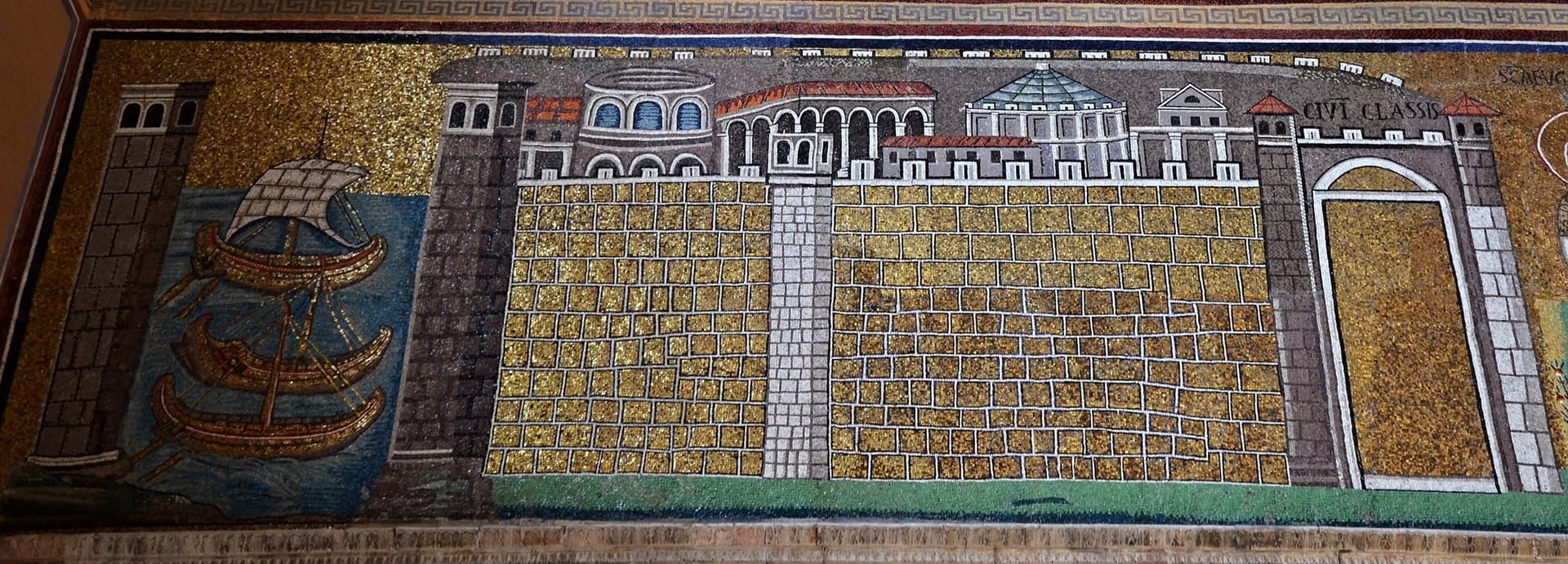
Early sixth-century mosaic: the walled port city of Classe, two towers at the harbour mouth and three ships with sails inside, the city walls in gold tesserae.

Sea stories

Classis Ravennas, the fleet of Ravenna

Two thousand years before the pilots of Ravenna, Augustus based an imperial fleet here. The names of its ships survive on the sailors' gravestones.

The port of Classe Mosaic, early 6th century Sant'Apollinare Nuovo, Ravenna Photograph Carole Raddato CC BY-SA 2.0

Read the story →

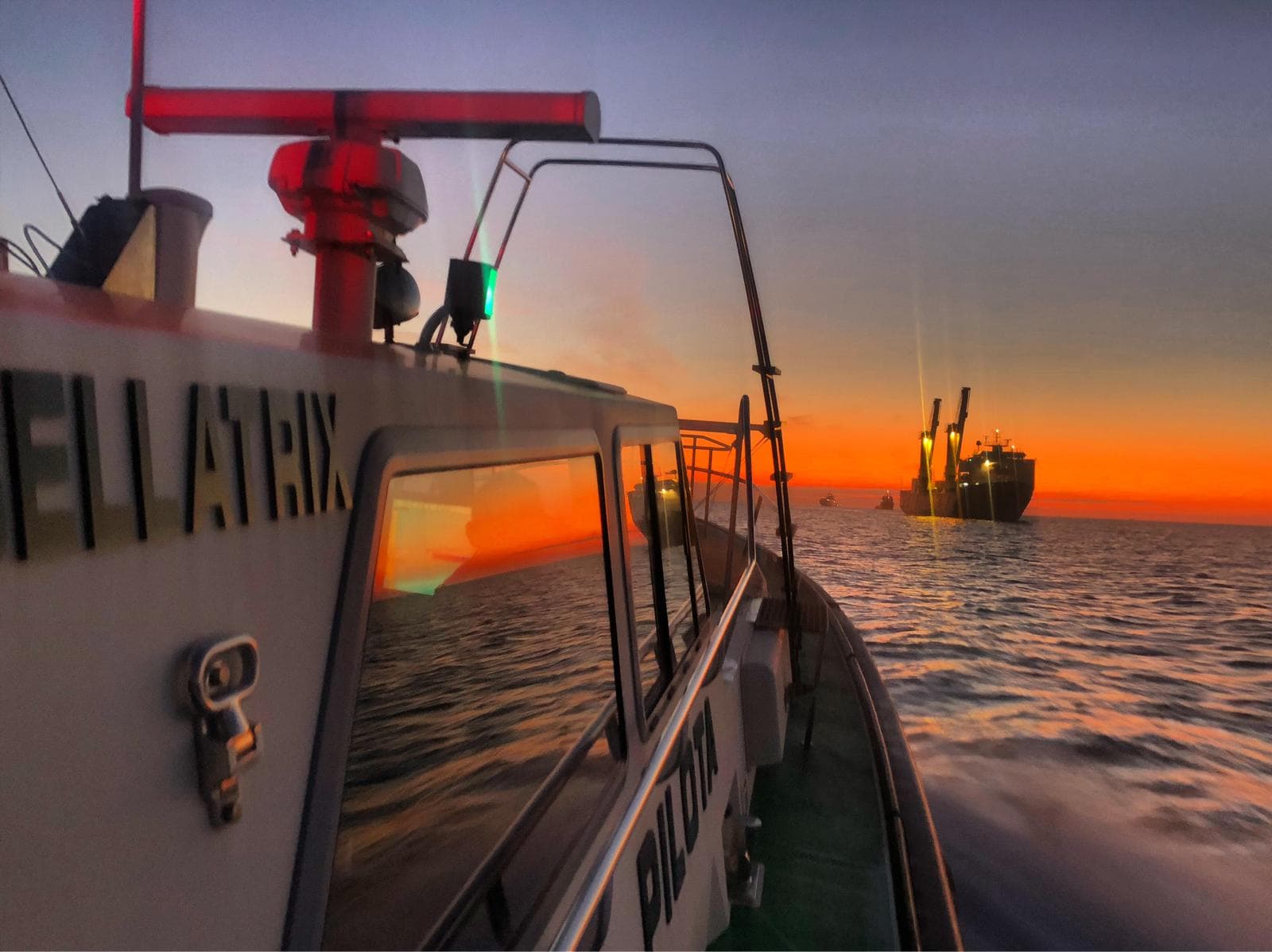
The pilot boat Bellatrix at sunset, PILOTA painted on her side; ships at anchor on the horizon with their lights on.

The boats

Bellatrix

One of the pilot boats, photographed at sunset with ships at anchor behind. The name reads on the wheelhouse.

Bellatrix [to be provided: port] [to be provided: date]

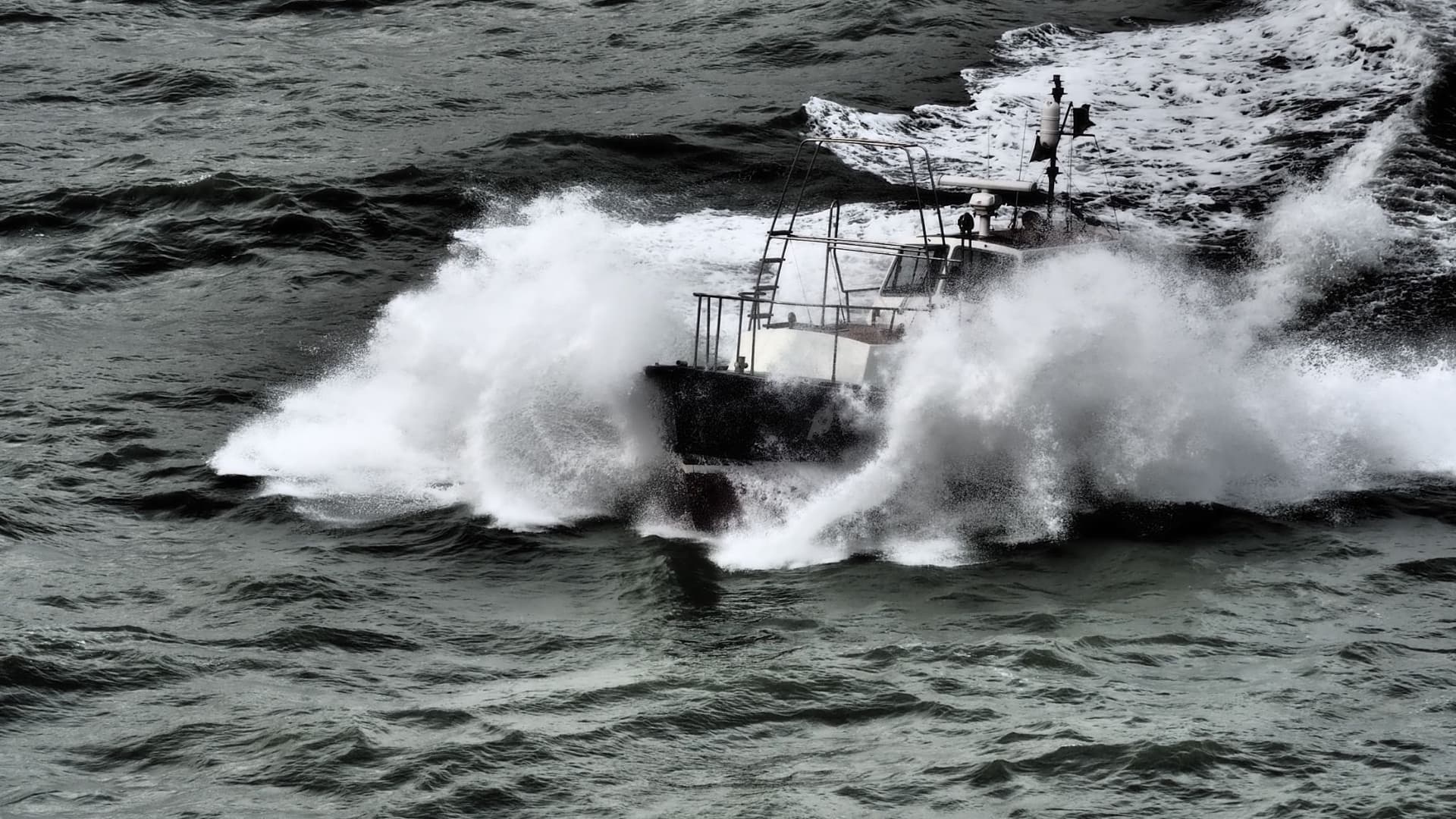
A pilot boat punches through a wave in a heavy sea; the spray all but covers the hull.

From the archive

Heavy sea

The service does not stop when the sea gets up: you go out anyway. This is one of the photographs that shows it without having to explain it.

Heavy sea [to be provided: port] [to be provided: date]

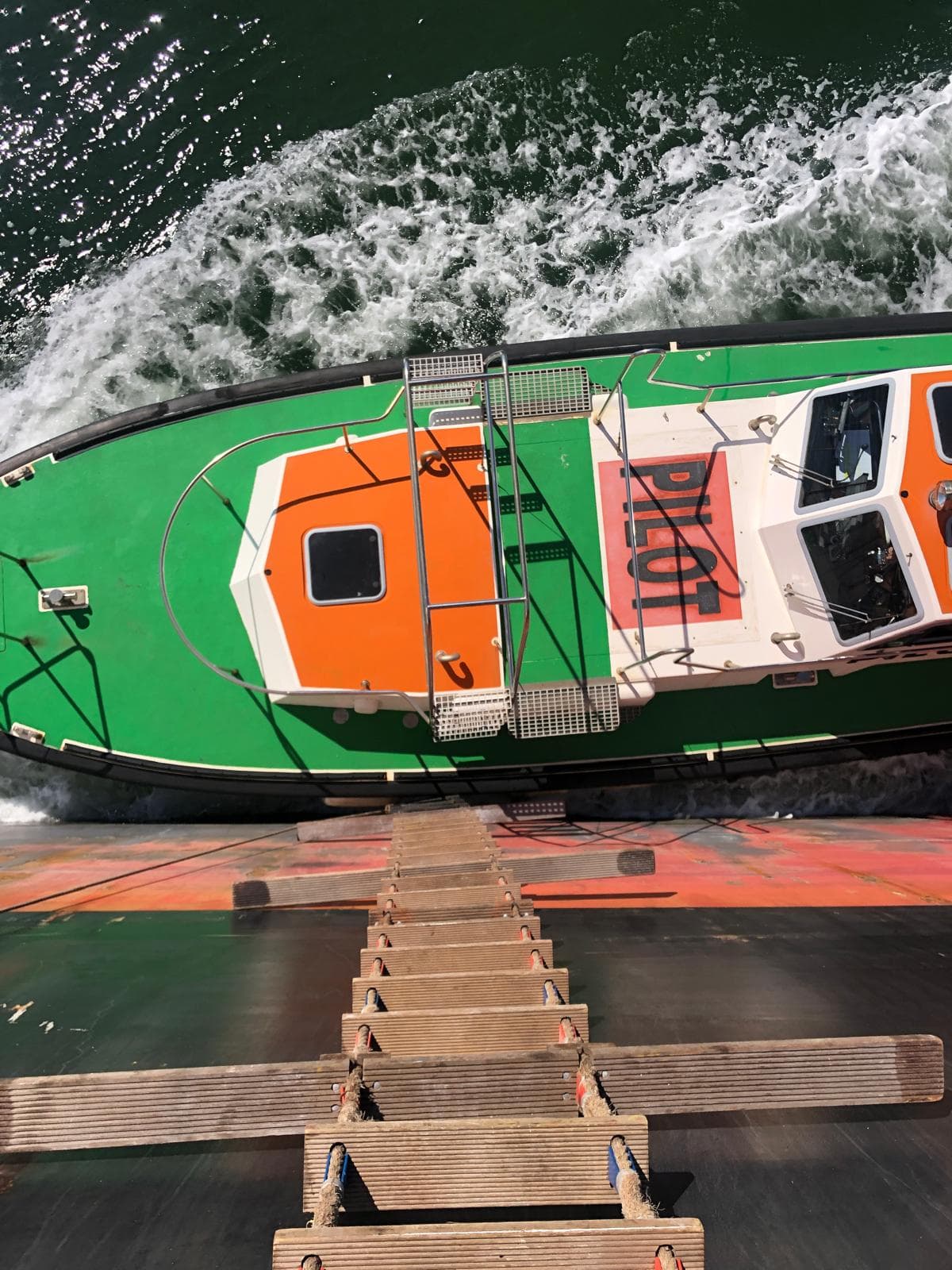
The pilot boat seen from the ship's deck, running alongside, with the rope ladder lowered in the foreground.

From the archive

From the deck

The pilot boat seen from above, with the pilot ladder lowered in the foreground. It is the view of the man about to climb down.

From the deck [to be provided: port] [to be provided: date] [to be provided: who took the photograph]

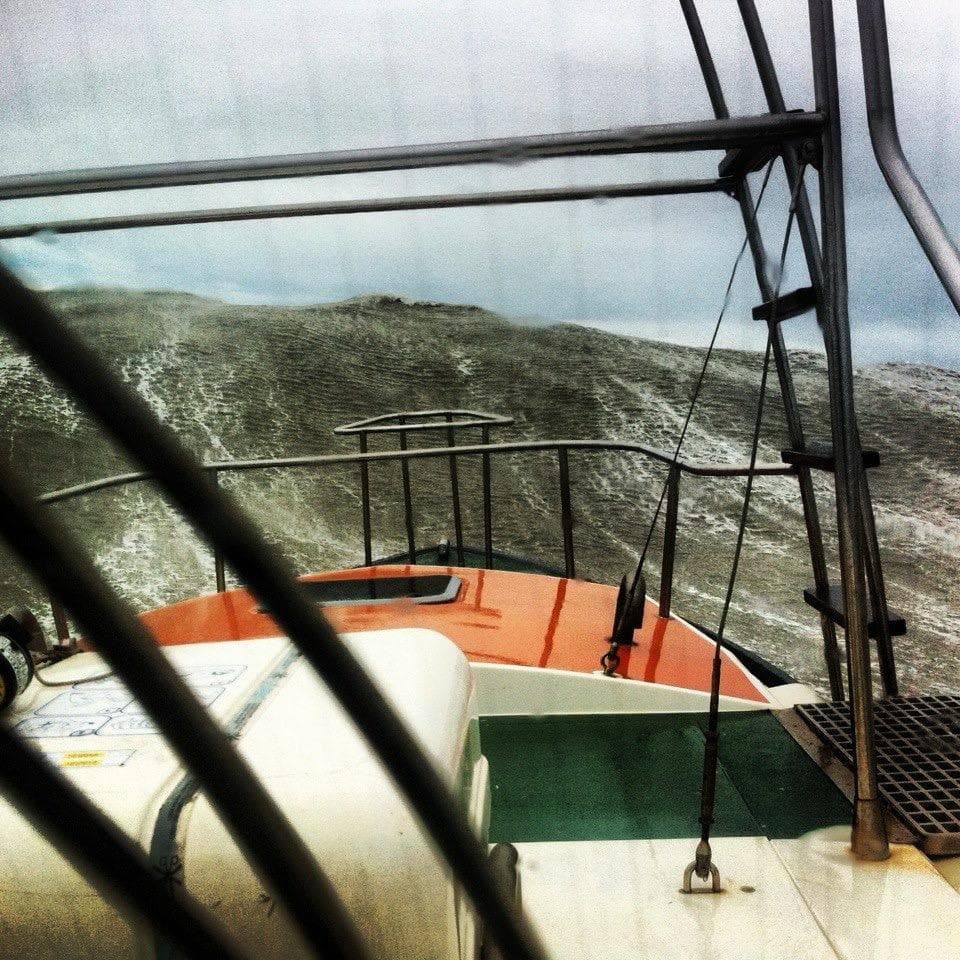
From the wheelhouse: the pilot boat's bow meets a wave as high as the boat.

On board

From the wheelhouse

The bow meets a wave as high as the boat. Photograph taken from inside, at the helm: the view of someone who works there, not of someone watching.

On board [to be provided: port] [to be provided: date]

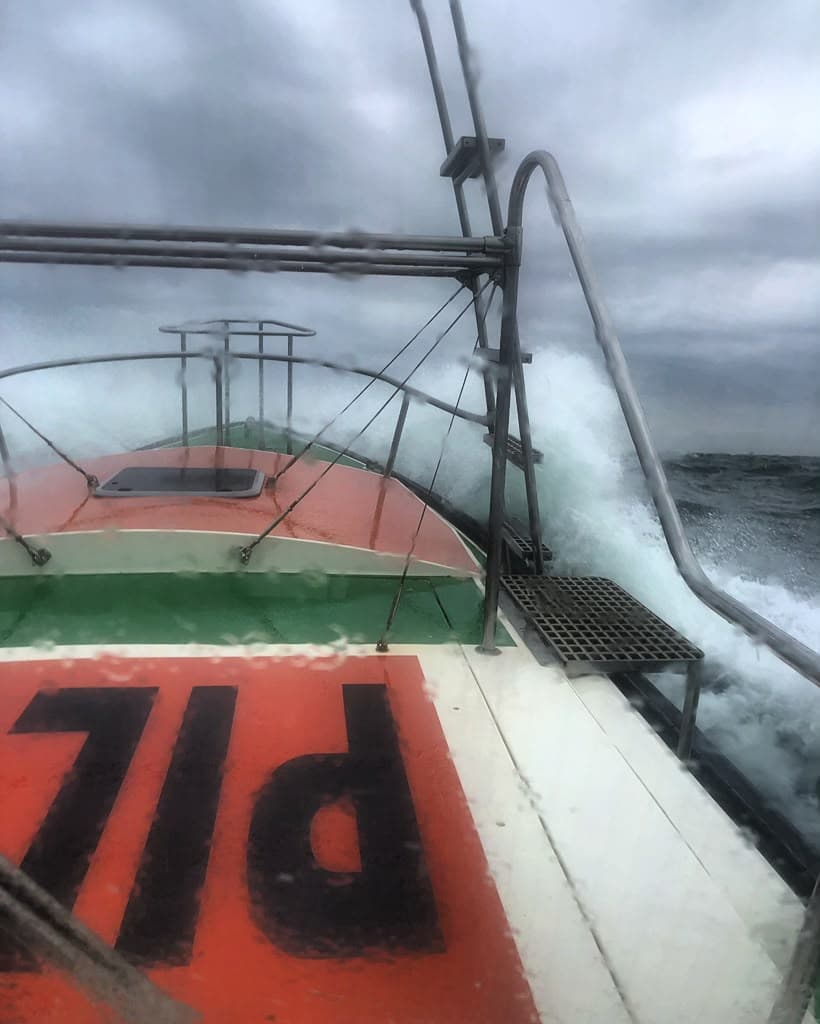
From inside the wheelhouse, rain on the glass: the pilot boat's foredeck, the letters PIL of the word PILOTA on the deck, and a wave breaking white over the starboard rail under a grey sky.

On board

Through the glass

From inside the wheelhouse in a heavy sea, rain on the glass, a wave breaking over the rail. The only photograph taken from inside the pilot boat.

Heavy sea From the wheelhouse [to be provided: port] [to be provided: date]

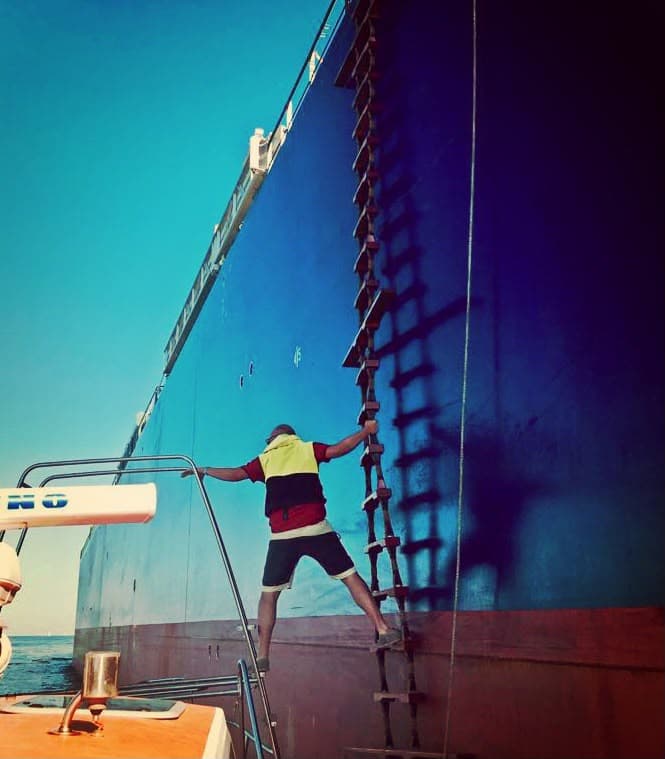
A pilot in a high-visibility vest climbs the rope ladder up a ship's blue side, seen from the pilot boat below; his shadow and the ladder's fall across the hull.

From the archive

The shadow on the hull

A pilot climbs the ladder up a blue hull, seen from the boat below; the sun throws his shadow and the ladder's onto the plating.

Boarding [to be provided: port] [to be provided: date] [to be provided: ship]

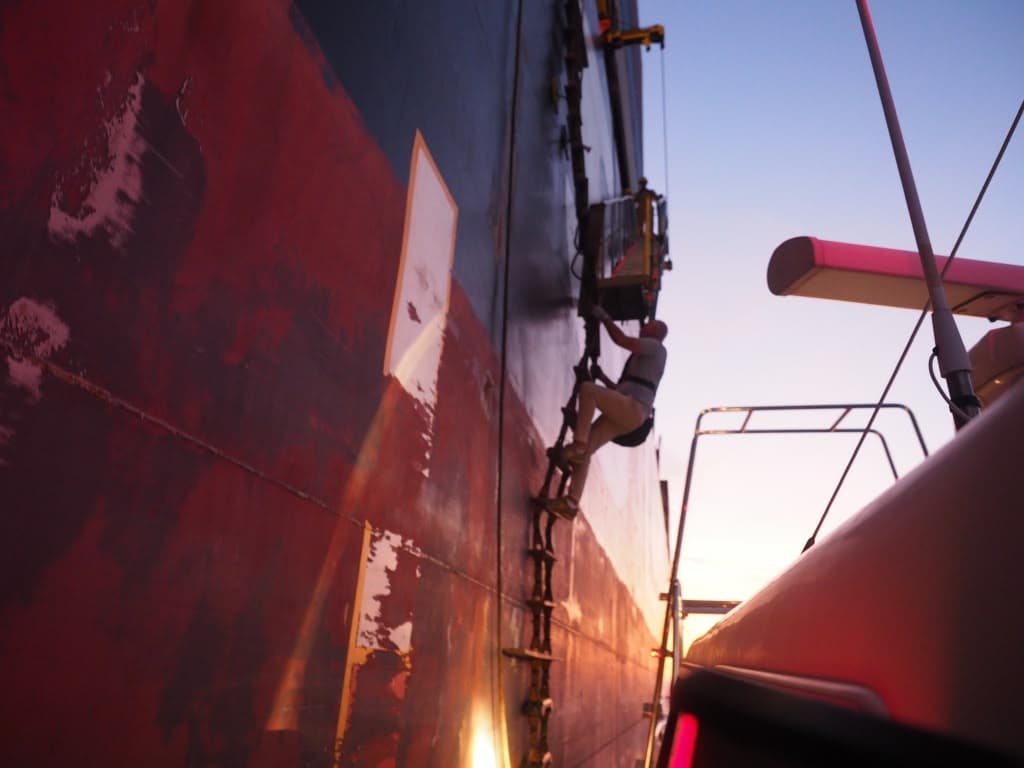
At dusk, a man climbs the rope ladder up the rusted red and black side of a ship, seen from the pilot boat; the sky fades from orange to blue.

From the archive

Climbing at dusk

The same climb on a rusted hull as the light goes. Port, date and ship are not yet in the registry.

Boarding Dusk [to be provided: port] [to be provided: date] [to be provided: ship]

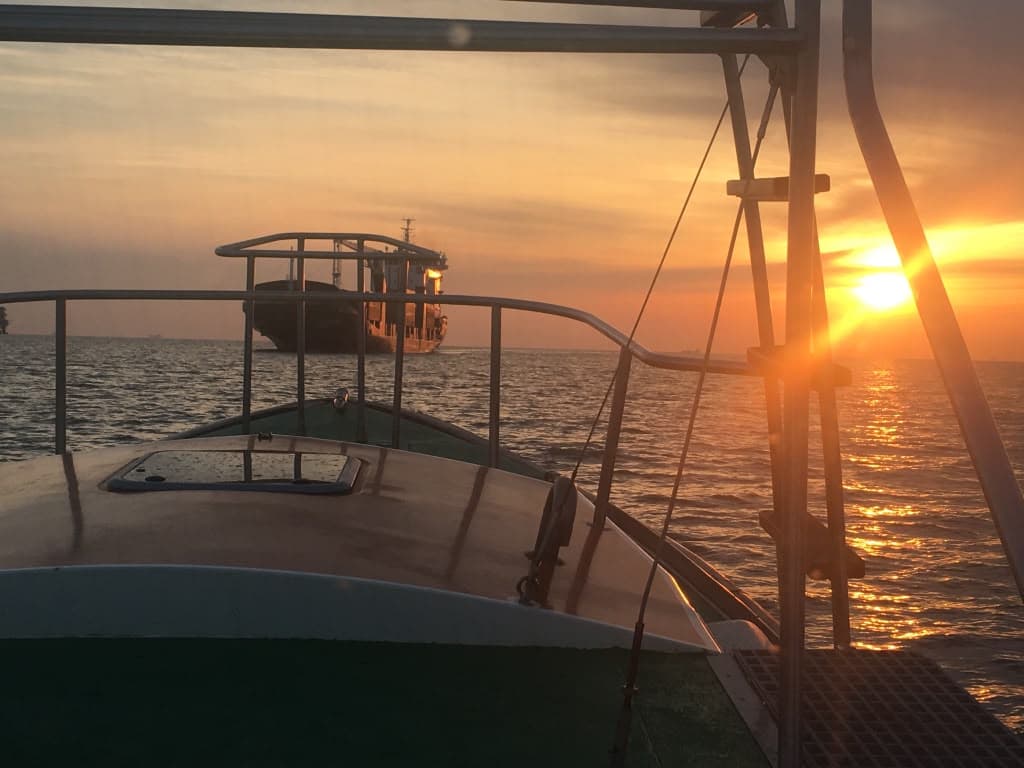
From the pilot boat's foredeck: the sun low on the horizon seen through the rails, a cargo ship ahead on calm water.

The ships

Low sun, ship ahead

From the foredeck of the pilot boat, a cargo ship ahead on calm water. Whether this is dawn or dusk the photograph does not say, and the registry asks.

[to be provided: port] [to be provided: date] [to be provided: ship] [to be provided: dawn or dusk]

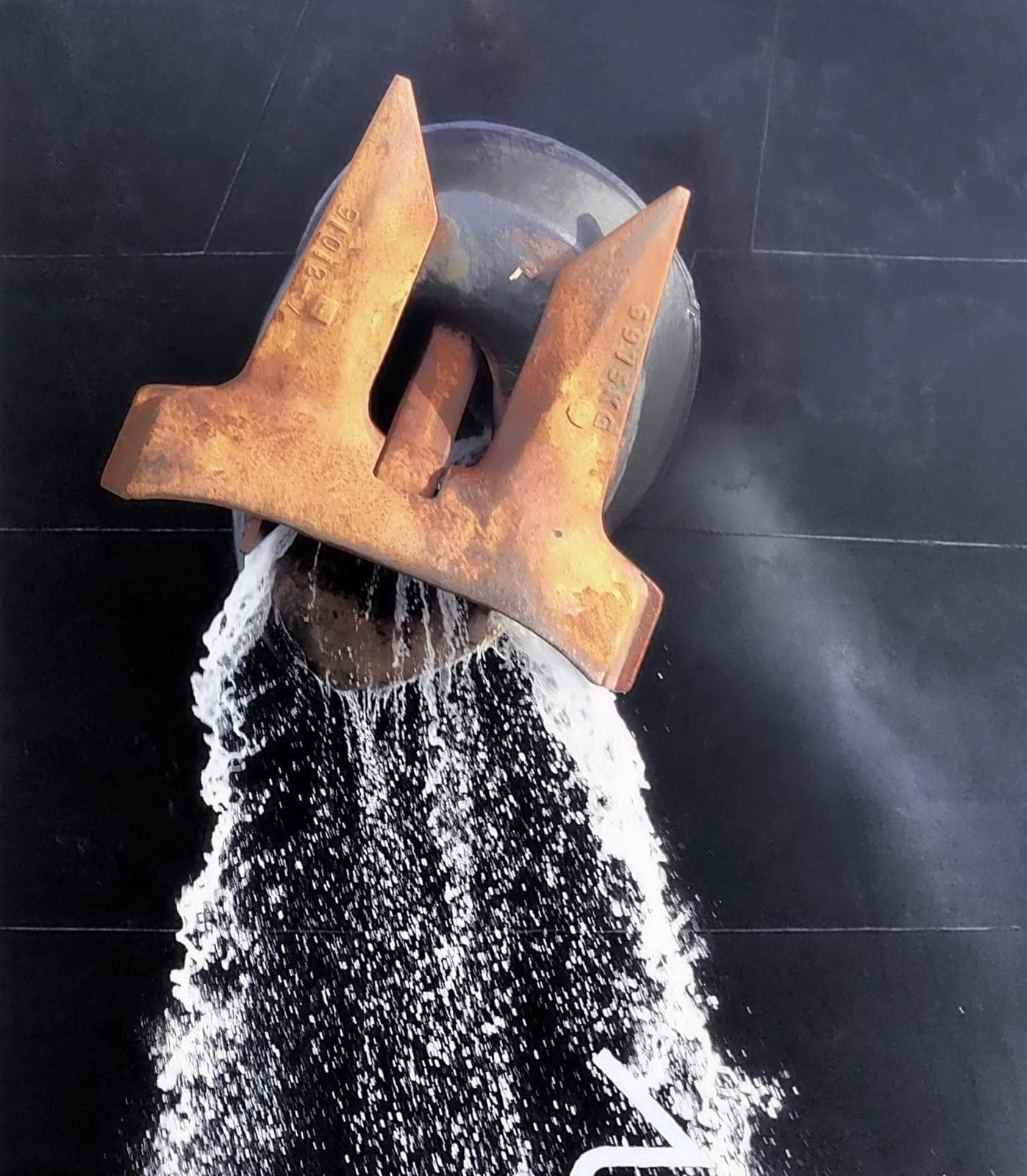
A ship's anchor just weighed, rust-brown against the black hull, water streaming from the hawsepipe down the side; 6915 KG cast into one of the flukes.

Objects

The anchor

Just weighed, water still streaming from the hawsepipe, the foundry weight cast into the fluke. Not an emblem: a working part of a ship, photographed while working.

Anchor weighed 6915 kg, as cast on the fluke [to be provided: ship] [to be provided: date]

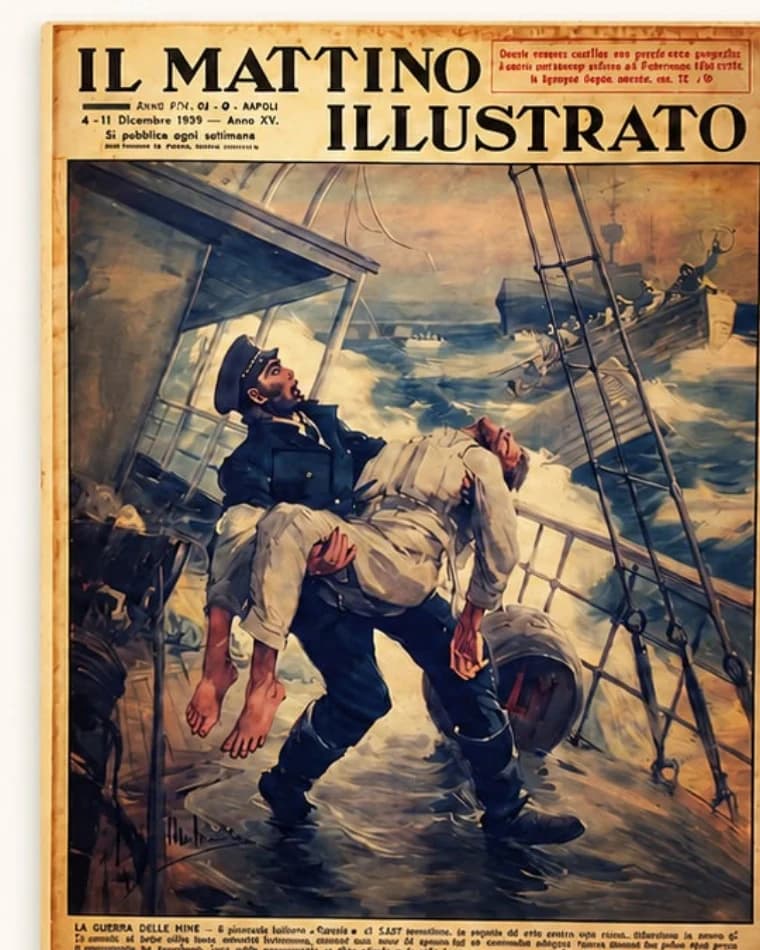
Cover of Il Mattino Illustrato, 4-11 December 1939: a painted plate showing a ship's officer carrying an injured barefoot sailor in his arms on a listing deck, a lifeboat and the heavy sea behind them.

Family archive

The steamship Grazia

Mined off England in November 1939. Aboard her was Giovanni Raimondi, pilot of the port of Genoa and Stefano Stagnaro's maternal grandfather. The full account, and the promise he made that night, is on the Heritage page.

Il Mattino Illustrato 4-11 December 1939 Family archive November 1939 Off England Giovanni Raimondi the date, 19 November 1939, which comes from the family's account [to be confirmed]

Read the full account →